
Rwamwanja Unites for 16 Days of Activism to End Digital Violence Against Women and Girls
Written by Windle International Uganda staff, originally published December 2025
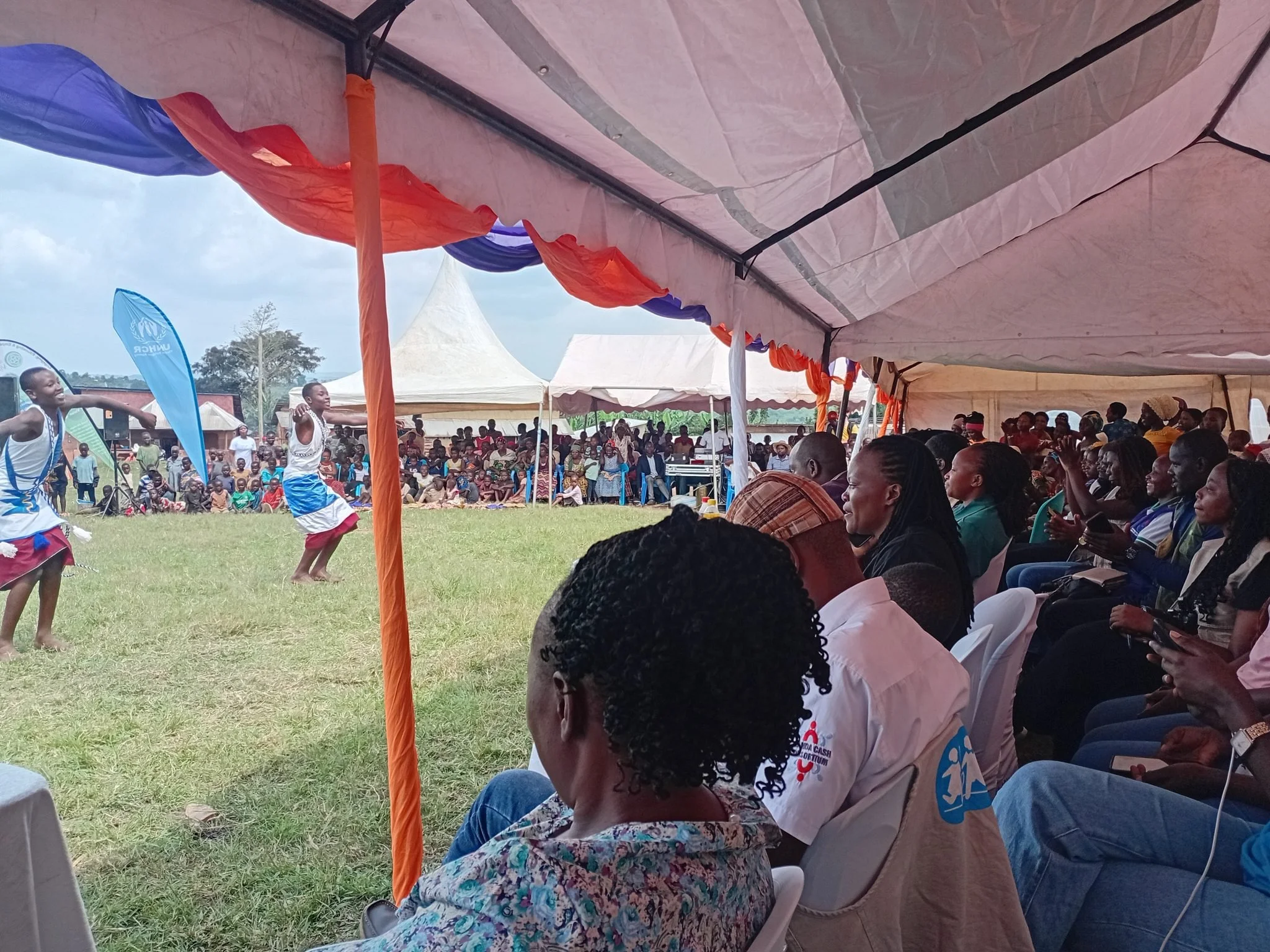
On 10 December 2025, Windle International Uganda joined national and international partners at Kyepango C Playground in Rwamwanja Refugee Settlement to conclude the 16 Days of Activism Against Gender-Based Violence. This year’s event focused on digital violence against women and girls, urging the community to unite to end digital violence against all women and girls.
Launched on 25 November at Rwamwanja Base Camp One, the 2025 campaign featured a series of community-driven engagements designed to address both traditional and emerging forms of Gender Based Violence. In Rwamwanja, GBV remains a major protection concern, shaped by displacement, harmful social norms, financial vulnerability, and barriers to justice. Increasing access to mobile phones and digital platforms, particularly among young people has also expanded the risks of cyberbullying, online harassment, stalking, and the non-consensual sharing of intimate images.
Speaking as Chief Guest, Mr. Kagonyera Daniel, Town Clerk of Nkoma–Katalyeba Town Council, underscored the importance of family involvement in prevention efforts. “I appeal to parents and guardians to protect their children from all forms of violence, especially during this long holiday,” he said.
Through the Uganda Secondary Education Expansion Project (USEEP), implemented by Windle International Uganda, the campaign reinforced key messages on gender equality, child protection, and digital safety. USEEP continues to work closely with schools and communities to promote safe and inclusive learning environments, strengthen learners’ life skills, and build awareness on responsible technology use. Community dialogues including campfire conversations engaging women, men, boys, and girls—focused on positive masculinity, collective responsibility, and reducing harm in both physical and digital spaces.
Participants emphasized the need for stronger parental oversight of children’s online activities, advocacy against harmful digital content, and programme interventions that reflect the realities faced by women and girls, including menstrual health challenges that affect school attendance. Community leaders emphasized the importance of early education in promoting respect and gender equality as a vital investment in long-term social transformation. Reflections shared throughout the campaign indicated emerging shifts in attitudes toward peaceful co-existence, shared household decision-making, and mutual support.
For USEEP, the 16 Days of Activism provided a crucial platform to amplify messages on protection, inclusion, and community accountability. Music, dance, and drama performances enriched the engagements, helping to translate complex GBV prevention themes into accessible, actionable messages for the community.
As the campaign closes, one message stands firm: ending digital violence against women and girls requires a sustained, collective commitment, within homes, in schools, across online spaces, and throughout the wider community. Ensuring safety, dignity, and equal opportunity for all women and girls demands continued vigilance and partnership at every level.